Cobnuts turn up in Kent farm shops and market stalls for a few weeks each year, usually from late August, and then they are gone. If you have ever walked past a box of green, husk-wrapped nuts and wondered what to do with them, the answer is simple enough: buy a bag, eat half of them on the drive home, and cook with the rest.
The Kentish cob is a cultivated hazelnut, grown in the county's cobnut plats rather than picked from hedgerows, and it tastes nothing like the dusty packets on a supermarket shelf. Here is what they are, when to buy them, how to keep them, and a handful of unfussy ways to put them to work.
What Exactly Is a Kentish Cobnut?
A cobnut is a hazelnut, but not the kind sold loose in plastic tubs. Kentish cobs are a cultivated variety — traditionally Lambert's Filbert, known locally as the Kentish Cob — grown in managed orchards. The nut sits inside a green, leafy husk, and the kernel is larger, plumper and sweeter than a wild hazelnut.
Kent suits them. From the nineteenth century onwards, plats were planted across the county, particularly in the belt around Sevenoaks, Ightham, Plaxtol, Maidstone and Faversham, and a number of those orchards are still worked. Because this is a fresh crop rather than a commodity, the season is short and the quality shifts from week to week. That is part of the appeal: it is a genuinely seasonal ingredient, and it tastes like one.
When to Buy Them, and What to Look For
The season runs roughly from late August to October. Early on you get green cobnuts: husks still green and slightly open, kernels pale, moist and milky. These are eaten raw or sliced into salads. As autumn goes on the nuts mature, the husks turn brown and papery, and the kernels firm up and dry — these are the ones for roasting and cooking. Some growers sell both at once and label them, so ask which you are buying.
Four things worth checking before you hand over your money:
- Husks. Green and plump, or turning brown and papery — but not damp, blackened or spotted with mould.
- Weight. The bag should feel heavy for its size. Light nuts that rattle have dried out too far and will taste flat.
- Kernel. A fresh green cob should have a pale, creamy, firm kernel. Shrivelled or rubbery means old.
- Smell. Sweet and nutty. Anything musty, or reminding you of old cooking oil, has gone over.
Farm shops, farmers' markets and pick-your-own plats are where the good ones live; supermarkets rarely bother with fresh cobs.
Fresh or Dried? Two Very Different Nuts
Green cobnuts do not keep. Eat them within a few days of buying. The flavour is sweet and milky, closer to fresh coconut than to a roasted hazelnut, and they need nothing more than a pinch of salt — or, better, a slice of apple and a sharp cheese alongside them.
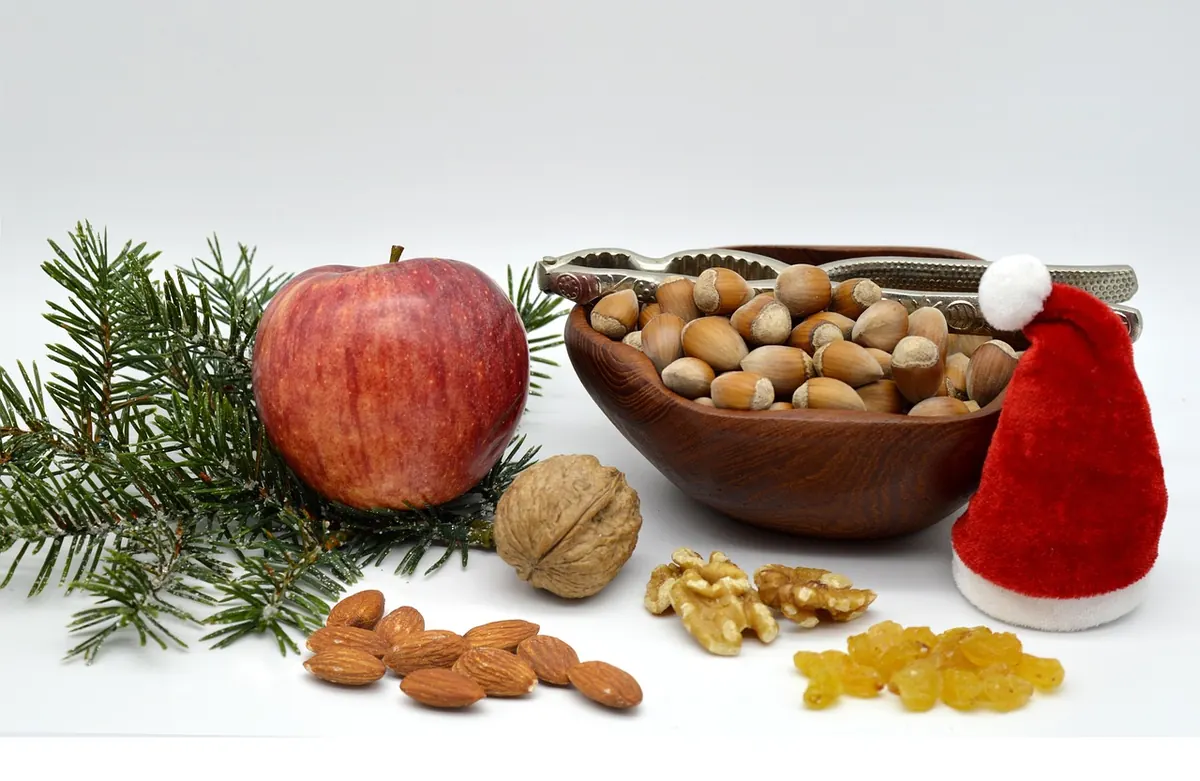
Dried cobnuts are the cooking nut. The shell is hard and brown, the kernel dense, and once roasted the papery skin rubs away and the flavour deepens. Most traditional Kentish recipes assume dried cobs rather than green ones, from cakes and biscuits to stuffings and cobnut butter.
How to Store Them
Fresh green cobnuts lose their sweetness quickly, so treat them like soft fruit. Keep them in the fridge in a paper bag, or a plastic bag with a few holes punched in it — sealed tight, they sweat and go mouldy. A week is realistic; ten days at a push. After that they dry out, whether you meant them to or not.
To dry your own, spread the nuts in a single layer, husks and all, somewhere warm and airy out of direct sun: a garage shelf, a shed, a spare room. Leave them a few weeks until the husks are papery and the shells hard. Then store them in their shells in a cloth bag or a cardboard box in a cool, dark, dry place, where they will keep for several months. Shelled kernels have a shorter life — a few weeks — so use them or freeze them.
Freezing suits both. Shell the nuts, spread them on a tray so they freeze individually, then bag them up. Frozen kernels can go straight into a cake or a stuffing without thawing.
Simple Ways to Cook With Cobnuts
Roasting is the first step for most recipes. Spread the shelled kernels on a tray and give them ten to fifteen minutes at around 180C, until they smell nutty and the skins look blistered. Tip them into a tea towel while they are still hot and rub; most of the papery skin will come away.
Sweet
- Fold chopped roasted cobnuts through a chocolate, coffee or plain sponge cake in place of hazelnuts.
- Make a rough brittle: caramelise sugar, stir in chopped roasted nuts, spread on oiled parchment, break up when cold. Serve with ice cream.
- Blitz roasted kernels into cobnut butter. It will seize and look hopeless before it turns smooth — keep going, adding a little neutral oil and a pinch of salt.
- Replace a quarter of the flour in a crumble topping with ground roasted cobnuts.
Savoury
- Scatter toasted, roughly chopped nuts over roast squash or beetroot with blue cheese.
- Make a cobnut pesto: swap half the pine nuts for cobnuts, and use parsley or wild garlic when it is around.
- Work chopped roasted cobnuts into a stuffing for pork, chicken or game with breadcrumbs, sage and onion.
- Look out for Kentish cobnut oil. It is pricey, but a drizzle over a salad or a bowl of soup is worth trying once.
Traditional Kentish cobnut cakes tend to be plain and buttery, with the nuts stirred through rather than piled on top. They are all the better for it.
Where to Find Them in Kent
Cobnuts are sold at farm shops and farmers' markets across the county, often by the grower. The season is short and the green ones sell out fast, so if you see them, buy them then rather than planning to come back next week. A few orchards run pick-your-own days; a morning's picking will leave you with far more nuts than you expected and a new respect for the price.
Making the Most of a Short Season
Buy a bag in late August, eat some fresh, dry or freeze the rest, and roast a tray when you want them. That is the whole method, and it is worth building a small autumn ritual around it.
Two last notes. Nuts are a common allergen, so say what is in the dish if you are cooking for guests. And if you are buying for someone else, dried cobnuts in their shells with a decent nutcracker make a better present than a box of chocolates — they taste of Kent, and they last for months.
Photo: neelam279 / Pixabay