Kent grows good vegetables. Chalk downland in the west, heavy Wealden clay through the middle, sandy loam around Thanet and the windswept silts of Romney Marsh — between them they will grow almost anything, given water and attention. The catch is that plenty of other people have noticed. Plots in popular villages can carry waiting lists measured in years, and the best sites rarely advertise. People do still get plots every season, though, usually because they did three things: found out who actually manages the land, joined more than one list, and went to look at what was being offered before saying yes.
First, work out who runs the site
Most newcomers ring the district council. Often that's the wrong door. In Kent, allotment land is held by a patchwork of bodies — town and parish councils, borough councils, independent allotment associations run by their own committees, church trustees, and occasionally a private landowner or housing association. Each keeps its own list, sets its own rent and enforces its own rules.
Worth checking, in roughly this order:
- Your borough or district council website. Search for "allotments" rather than "parks" and look for a named contact and a site list.
- Your parish or town council. Small parish sites sometimes have no web page at all, only a clerk's email address and a noticeboard.
- Local knowledge. The village shop, the post office and the pub will usually tell you which sites exist and which committees actually turn plots over.
- National bodies. The National Allotment Society offers general advice to tenants and site committees, and is a useful starting point if you're unsure how a tenancy usually works.
Allotment law in England gives councils responsibilities around providing plots where there is demand, and parish councils in particular can be pushed to act when residents ask. What that means in practice varies enormously from place to place, so ask your council's allotment officer what applies locally rather than assuming.
Find the sites nobody advertises
Some of the best-managed sites in the county are invisible online. Try a satellite view of your area and look for a grid of small rectangles behind a hedge, usually near a recreation ground, a railway embankment or the edge of a housing estate. Then walk or cycle the lanes around your village on a Sunday morning — allotment holders are often on site then, and they will happily tell you whether there's a list, who chairs the committee and how long people typically wait.
Local Facebook groups and the parish magazine are also worth a post. "Does anyone know who to speak to about the plots behind the church?" tends to get an answer within a day.
Getting on the list — and staying on it
- Ring rather than only emailing. Clerks and volunteer secretaries are busy. A short phone call tells you more in five minutes than a month of waiting for a reply.
- Ask specific questions. How long is the list? Is it per site or central? What size are the plots — full, half, or raised beds for those who can't manage a full one? Is there a joining fee?
- Join more than one list. Three or four is reasonable. Nobody minds, and it dramatically shortens the wait.
- Confirm your place annually. Many committees ask members to re-register each year and quietly drop anyone who doesn't respond.
- Say yes to a viewing quickly. Plots are usually offered to the next person on the list, but a slow reply can move you down.
When a plot is offered
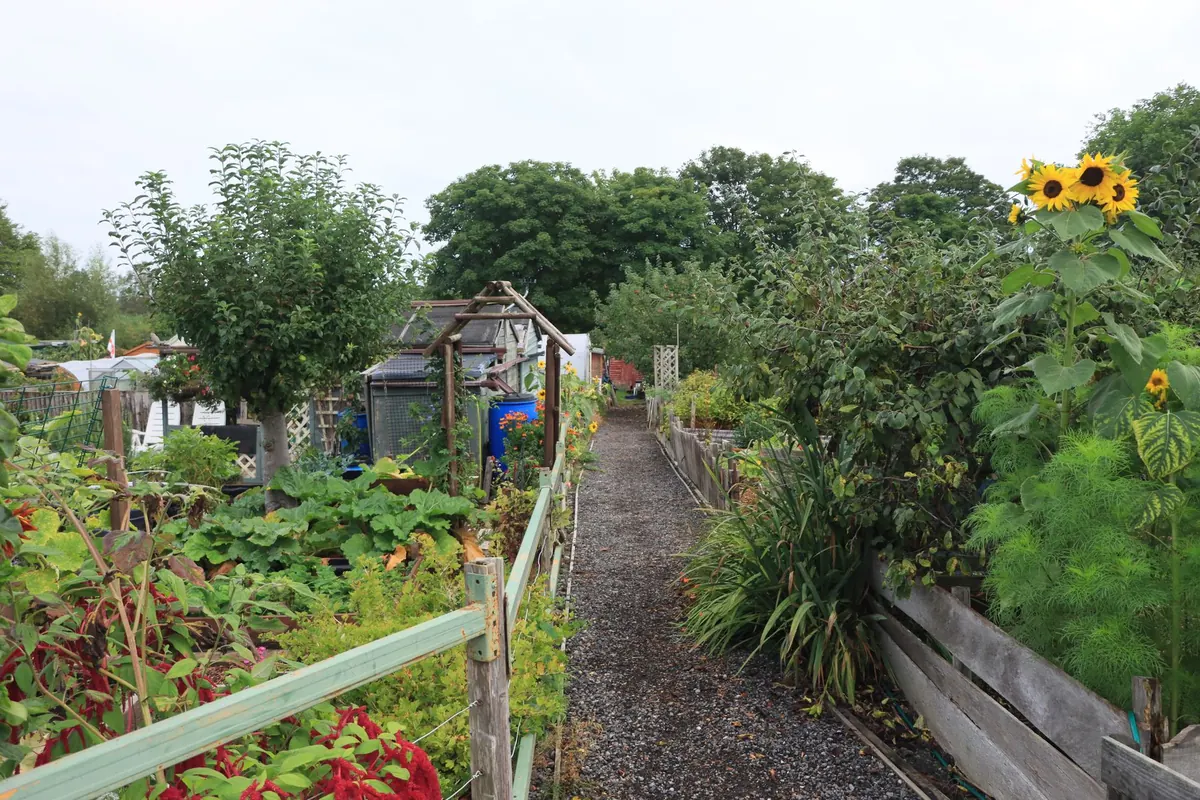
Go and see it in daylight, ideally after rain. A plot in August can look magnificent; the same plot in February may be under water. Look at the water supply, the state of the paths, whether there's a communal skip or manure delivery, and how the neighbouring plots are kept. Well-tended neighbours are the single best sign that a site is worth joining.
Then read the tenancy agreement properly. It should set out the annual rent, notice periods, whether you may keep chickens or bees, what you can build, and how the committee deals with neglected plots. Tenancy agreements are contracts, so if anything is unclear — particularly anything about liability or structures — take advice before signing. Ask how long you have to bring the plot into cultivation; a year is common, less is not unusual.
Plot etiquette that keeps you on good terms
Allotments are small communities with long memories. A few habits go a long way:
- Keep your boundaries trimmed. Grass and brambles seeding into a neighbour's plot is the most common source of friction.
- Check the bonfire rules before lighting up. Many sites ban fires in summer, and smoke drifting into houses is a fast route to a complaint.
- Ask before you help yourself. Fruit from an overhanging branch, a spare cane from a shed, water from a neighbour's butt — always ask first.
- Share the awkward jobs. Path strimming, hedge cutting and gate repairs usually fall to a handful of people. Turning up to a work morning buys you a great deal of goodwill.
- Don't sublet or hand over your plot informally. If you're struggling, tell the committee. A short agreed break is nearly always better than a silent absence.
- Keep the gate shut and the dog on a lead unless the site rules say otherwise.
Your first year, without wrecking yourself
New plot holders almost always overdo it. A neglected half-plot that has gone to couch grass and bramble will not be cleared in a weekend, and trying will put your back out and your enthusiasm off.
Clear in stages: mow or strim the whole thing, then cover the areas you can't reach yet with cardboard weighted down with bricks or old compost bags. That suppresses weeds while you work through the rest. Get the paths sorted early — they make everything else feel manageable. Plant something quick and satisfying in the first month, whether that's salad leaves, radishes or a row of broad beans, so you can see progress. And set up water before the first dry spell, because Kent's eastern side in particular can go weeks without meaningful rain.
A note on soil and site
Clay in the Weald needs organic matter and drainage; chalk downland dries out fast and benefits from mulching; coastal plots around Thanet and Romney Marsh face wind and salt, so a low windbreak helps more than anything else you'll do. Ask the neighbouring plot holders what grows well for them — they've already run the experiment.
Three things to do this week
Ring your parish or town council clerk and ask who manages allotments in the area. Ring your borough council's allotment officer as well, since the two lists are often separate. Then walk past the nearest site on a weekend morning and talk to whoever is there. That conversation will tell you more about waiting times and plot conditions than anything published online — and it puts a face to your name when a plot eventually comes free.
Photo: Jan Wright / Pexels