Saturday morning in Kent offers two very different routes to the same dinner. One takes you to a market square where a grower hands you a paper bag of courgettes still cool from the field. The other takes you to a farm shop where you fill a basket with milk, bread, sausages and apples without once getting rained on. Both put good Kent food on your table. They are not interchangeable, though, and knowing which one suits the job is the difference between a satisfying shop and a frustrating one.
What a farmers' market does best
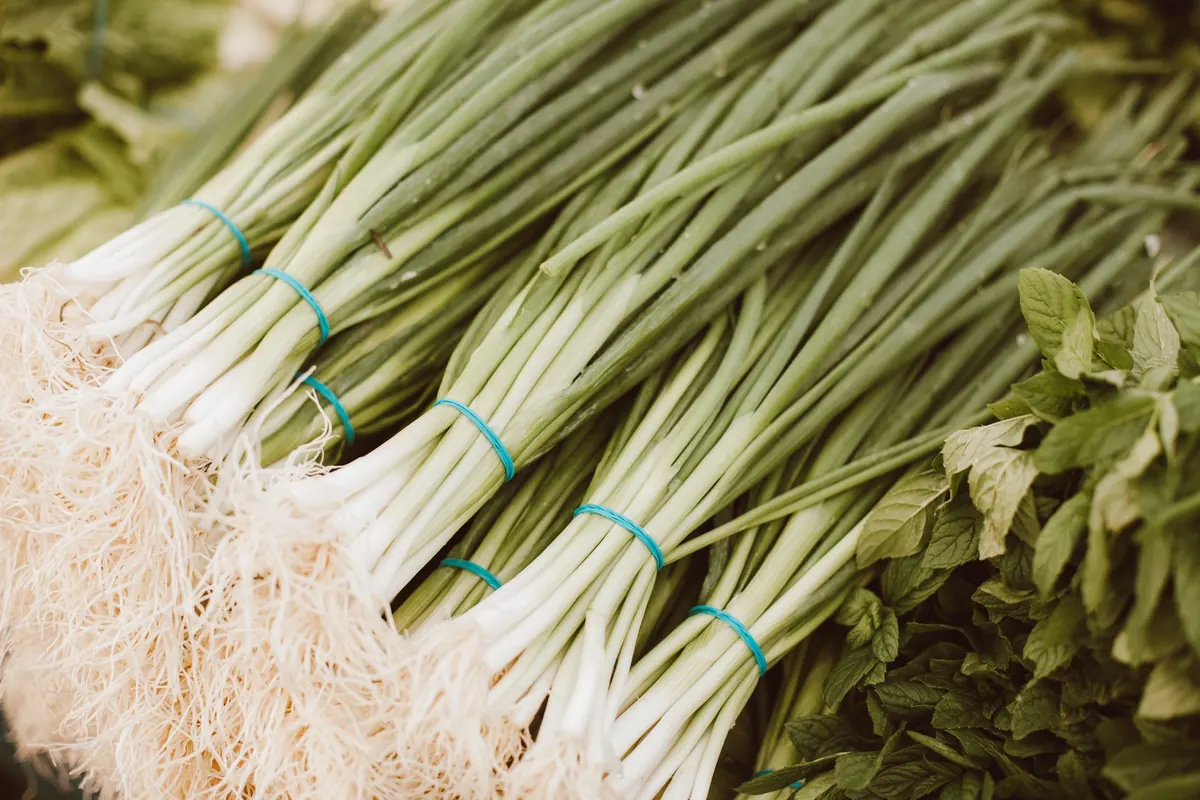
Farmers' markets work on a simple rule: the person behind the stall had a hand in producing what is on it, and it came from within a set distance of the town. That changes the shopping experience completely. You can ask which field the salad came from, how the cheese was aged, or whether the apples are an eating variety or a cooker. Stallholders generally answer honestly, because they will see you again next month.
The range is narrow and gloriously unpredictable. One week there is wild garlic and forced rhubarb; three weeks later both are gone. A stall might be sold out of eggs by half nine. What the market does best is immediacy: much of the produce was picked within a day or two of sale, sometimes that morning, and soft fruit and salad leaves arrive in noticeably better condition than anything that has travelled through a distribution chain.
The trade-offs are real. Many Kent markets run once a week, once a fortnight or once a month, often for only four or five hours. Parking near a town centre on market day can be a nuisance. You will rarely complete a full weekly shop, and if you turn up at eleven you may find the best of it gone.
What a farm shop gives you instead
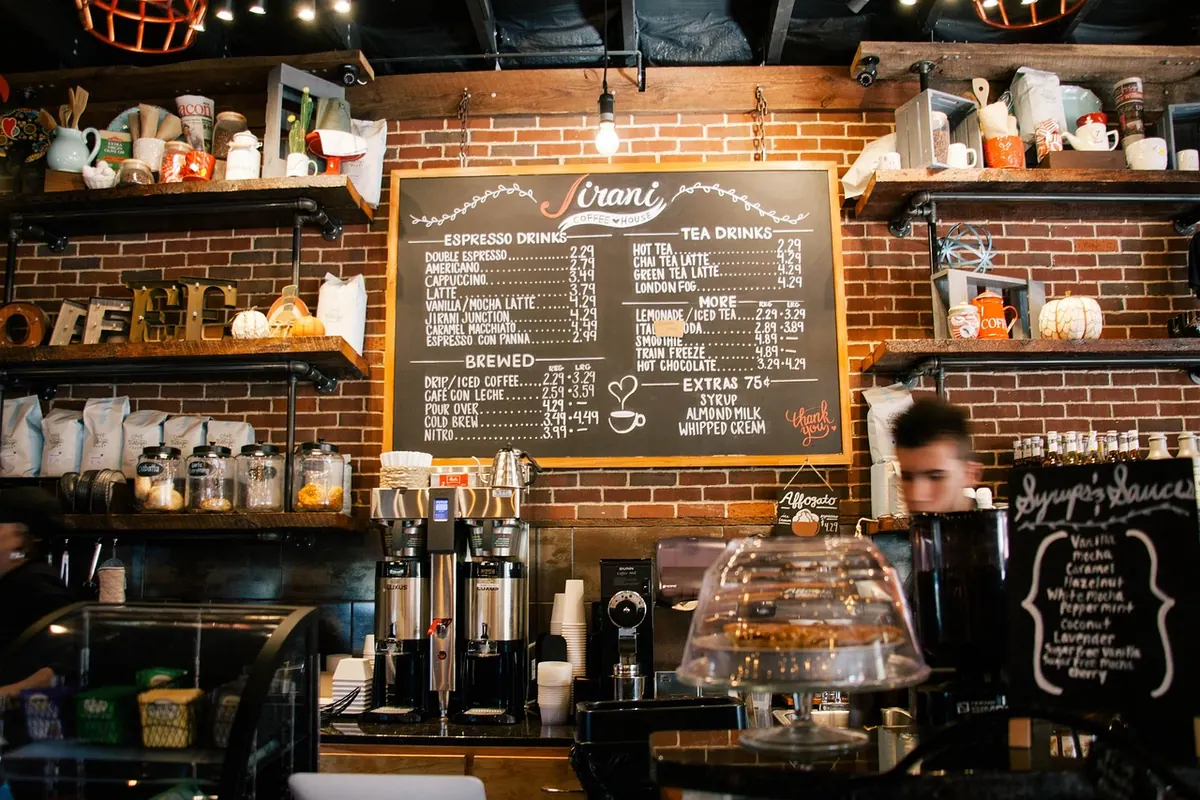
A farm shop is a building with regular hours, a till and, usually, the farm's own produce at the centre of a wider range: milk, butter, cheese, bread, meat, preserves, sometimes cider or beer from a neighbouring producer. Shops such as those attached to long-established farms around Faversham, Maidstone and Ashford have built their reputation on that mix — their own crops and livestock, plus a careful selection from other Kent and Sussex producers.
The advantage is convenience and consistency. You can go on a Tuesday afternoon. You can buy a week's worth of vegetables, a chicken, a pint of milk and a birthday card. Staff usually know which items are their own and which are bought in, and many shops will take a standing order or put together a veg box for collection.
The catch is that a farm shop is still a shop. It has overheads, refrigeration and staff to pay, so not everything will be cheaper than the supermarket, and some of what sits on the shelves under a rustic sign has travelled further than the sign implies.
Freshness: closer than most people assume
Both can be outstanding here. A market stall selling its own produce is hard to beat for peas, beans, berries and salad. A farm shop selling its own produce is just as good, and often better organised — picked to a schedule, chilled properly, on the shelf the same day.
The useful habit is to ask. "Did you grow this?" is not a rude question, and most traders will tell you plainly. Watch for words like local and regional, which are flexible. Note too that freshness is not always about speed: hard cheese, dry-aged meat, squash and stored apples all improve or hold well with time. A tomato picked ripe yesterday beats one picked green a fortnight ago and gassed on the way.
Price: what you are actually paying for
Neither option is automatically cheaper than a supermarket, and neither is automatically dearer. Markets have low overheads — a pitch fee and a van — but small volumes, so specialist varieties can cost more while a glut of courgettes in August can cost very little. Farm shops tend to be competitive on the staples they produce in quantity, and their bulk boxes and seasonal veg bags are often the best value on the premises.
If budget matters, plan meals around whatever is abundant that week rather than deciding the menu first and shopping for it. Buy a box of tomatoes at peak and make sauce for the freezer. Take the cheaper cuts from a butcher you trust and cook them slowly. And compare like with like: pick the five things you buy most often and check them in both places over a month before deciding where your money goes.
Seasonality: the Kent calendar in practice
Buying in season is not a slogan here; it is simply what tastes best and costs least. A rough guide to what to look for:
- Spring: asparagus from the Kentish growing areas, wild garlic, rhubarb, radishes, early salad leaves.
- Early summer: strawberries, cherries, broad beans, peas, new potatoes.
- High summer: courgettes, tomatoes, runner beans, sweetcorn, plums.
- Autumn: apples and pears, cobnuts, squash, game, field mushrooms.
- Winter: kale, leeks, parsnips, purple sprouting broccoli, stored apples and roots.
Market traders will tell you what has just come in; farm shop chalkboards usually do the same. Let those steer the week's cooking.
How to shop both well
- Arrive early at a market for choice, or in the last half hour for reductions on things that will not keep.
- Take cash, a couple of strong bags and a cool bag for meat, cheese and soft fruit.
- Ask when something was picked and where it was grown. Specific questions get specific answers.
- Buy generously when something is at its peak, then freeze, pickle or jam it.
- Check market dates — many are fortnightly, and some move for events. A quick look at the town council noticeboard or the market's own page saves a wasted trip.
- Ask farm shops about veg boxes, meat boxes and standing orders; these often work out better value and save a weekly decision.
The practical answer
Use the market for the pleasure of it and for peak-season gluts: a flat of strawberries in June, asparagus in May, the first new potatoes. Use the farm shop for the dependable weekly shop, the meat, the dairy and the things you need on a Wednesday. In plenty of Kent towns you can do both in one morning, market first, farm shop on the way home.
One sensible note: if you are buying raw milk, unpasteurised cheese or other higher-risk products, follow the seller's storage advice carefully, keep everything cold on the way home, and speak to your GP if you are pregnant or have a weakened immune system before including them in your diet.
Photo: ROMAN ODINTSOV / Pexels